

MEDAN, HALOSUMUT EN – The rapid evolution of social media has sparked a global debate: is the digital landscape merely a mirror of our society, or is it actively rewriting the DNA of human interaction? What began as a simple tool for connecting with long-lost friends has transformed into a powerful ecosystem that dictates social norms, influences political landscapes, and alters individual self-esteem.
Social media platforms are no longer just “apps” on a smartphone; they have become the primary lens through which millions view the world. In North Sumatra, the surge in internet accessibility has moved public discourse from the traditional kedai kopi (coffee shops) to digital forums. However, this shift has blurred the lines between authentic reality and the curated, “filtered” versions of life presented online.
The technical catalyst for this change is the algorithm. These complex systems are engineered to maximize “time spent” by feeding users content that aligns with their existing beliefs. This creates “echo chambers,” where individuals are rarely exposed to diverse perspectives. This explains why social polarization has intensified; users are constantly validated by their digital circles, making it harder to find common ground in the real world.
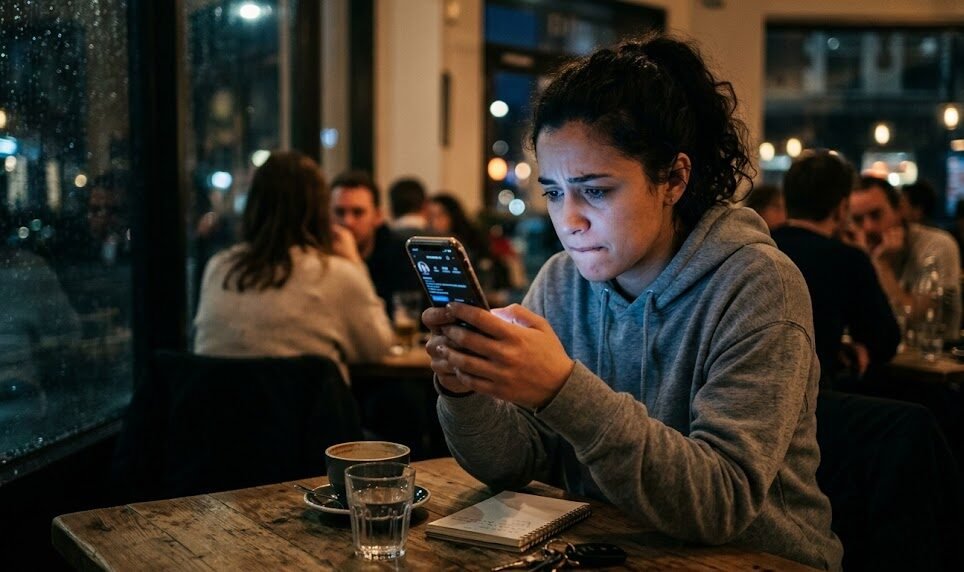
The consequences are profound. On a societal level, we see the rapid spread of misinformation and a decline in civil discourse. Individually, the “compare and despair” culture—driven by viewing the highlight reels of others—has led to a documented increase in anxiety, loneliness, and depression, particularly among the youth. The value of a moment is now often measured by its “shareability” rather than the depth of the experience itself.
To mitigate these negative effects, a collective shift toward digital literacy is essential. Experts suggest that users must practice “digital hygiene” by curating their feeds to include diverse viewpoints and setting strict boundaries on screen time. Furthermore, there is a growing call for tech giants to redesign algorithms to prioritize ethical engagement and user well-being over predatory profit models.
The phenomenon of social change due to media in Indonesia, especially in urban hubs like Medan, is heavily influenced by the FOMO (Fear of Missing Out) culture. This cultural pressure forces individuals to stay constantly connected, often at the expense of physical, face-to-face interactions.
On the economic front, social media has empowered local SMEs (UMKMs) in North Sumatra to reach global markets, providing a vital lifeline for the local economy. However, without strict content regulation and public education, the darker side of the web—such as cyberbullying and online scams—will continue to threaten the stability of the digital social fabric.
