

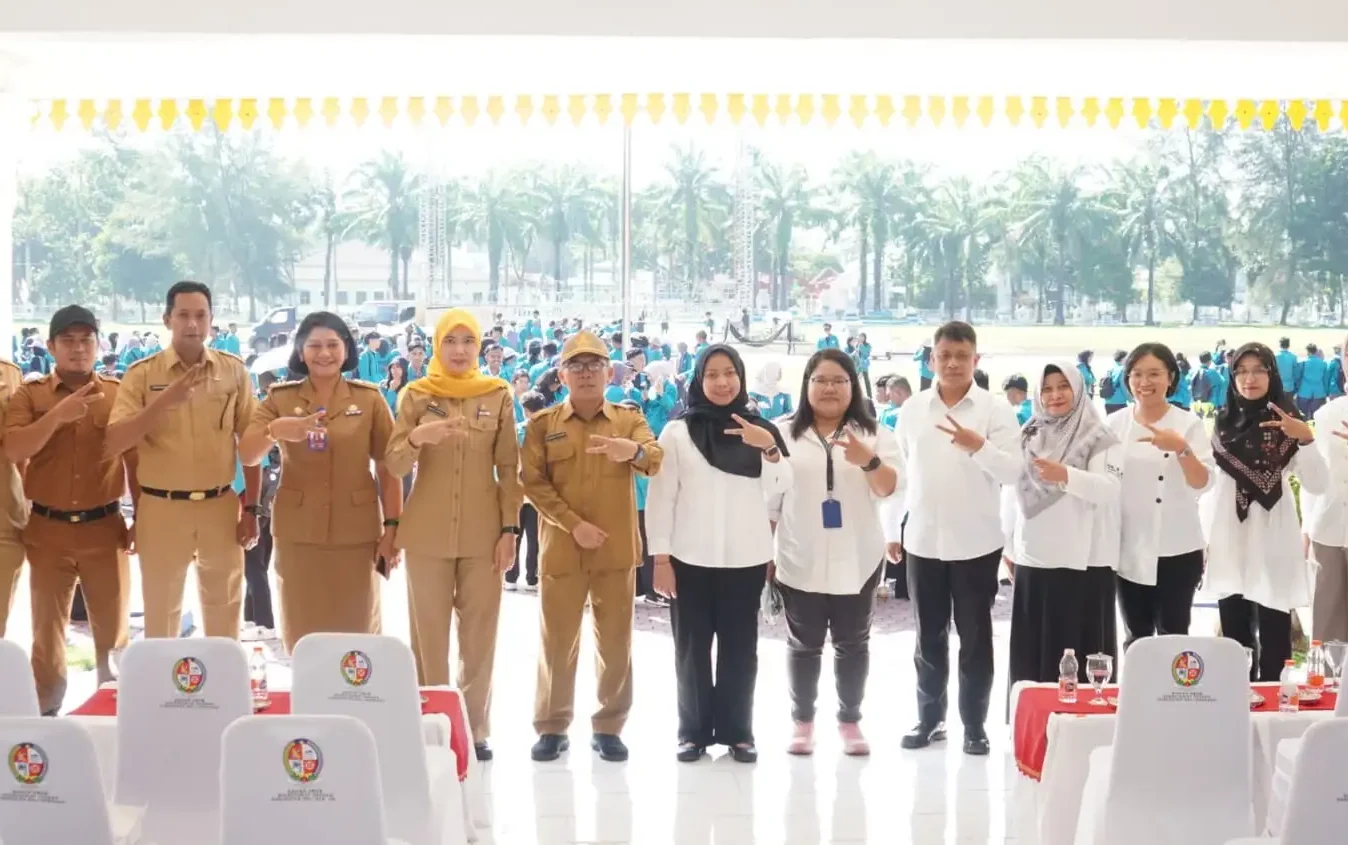
The Deli Serdang Regency Government has officially welcomed 2,088 students from the State University of Medan (UNIMED) to participate in the 2026 Community Service Program (Kuliah Kerja Nyata/KKN). The initiative marks another important collaboration between the local government and higher education institutions in promoting sustainable community development across the regency.
The students will be deployed to various villages throughout Deli Serdang, where they are expected to implement community empowerment programs, educational activities, environmental initiatives, digital literacy campaigns, and economic development projects. The KKN program aims to bridge academic knowledge with real-world community needs while giving students valuable field experience.
Local officials expressed optimism that the students’ presence would create meaningful and lasting impacts by supporting village development programs and encouraging innovation at the grassroots level.
Government and University Strengthen Strategic Collaboration
The arrival of thousands of UNIMED students reflects the strong partnership between academic institutions and regional governments.
Through the KKN program, students are encouraged to work closely with village administrations, community leaders, schools, and local organizations in identifying challenges and developing practical solutions. This collaborative approach helps ensure that community service activities align with local development priorities.
The partnership also provides students with opportunities to apply classroom knowledge while gaining firsthand experience in public service and community engagement.
Students Expected to Empower Local Communities
Beyond fulfilling academic requirements, KKN participants are expected to contribute directly to improving the quality of life in rural communities.
Programs commonly include educational assistance, digital literacy training, environmental conservation, public health awareness campaigns, entrepreneurship mentoring, and support for village micro, small, and medium-sized enterprises (MSMEs). By working alongside residents, students can help introduce innovative ideas while learning from local wisdom and community practices.
This reciprocal learning process remains one of the defining strengths of Indonesia’s community service model.
Supporting Village Development Through Innovation
Community service programs continue playing an important role in accelerating local development.
Students are encouraged to introduce technology-based solutions, improve administrative efficiency, promote tourism potential, assist digital marketing for local products, and strengthen community resilience through sustainable development initiatives.
These activities align with broader national efforts to empower villages as drivers of economic growth and social progress.
Building Future Leaders Through Real-World Experience
KKN also serves as an important platform for developing leadership, communication, and problem-solving skills.
Living and working within local communities enables students to better understand social dynamics while enhancing teamwork, adaptability, and professional responsibility. These experiences prepare graduates to become future leaders capable of contributing positively to society.
For many participants, the program becomes one of the most memorable and impactful stages of their university education.
Education Continues Supporting Regional Progress
The collaboration between UNIMED and the Deli Serdang Government highlights the strategic role of higher education in supporting regional development.
By connecting academic research with practical community needs, universities contribute not only to knowledge creation but also to improving public welfare, strengthening local economies, and promoting sustainable development.
Officials hope that the 2026 KKN program will generate long-term benefits for both students and the communities they serve.
Indonesia’s Kuliah Kerja Nyata (KKN) program has long been recognized as one of the country’s flagship community engagement initiatives. Thousands of university students are deployed annually to villages across Indonesia, where they collaborate with local governments and residents to implement development programs tailored to community needs.
The 2026 KKN program reflects UNIMED’s continued commitment to producing graduates who possess not only academic excellence but also strong social responsibility. By participating in village-based projects, students gain practical experience in education, entrepreneurship, public health, environmental sustainability, and digital transformation while helping communities address real-world challenges.
As Indonesia continues advancing rural development and digital transformation, partnerships between universities and local governments are expected to become increasingly important. Through innovation, research, and community service, higher education institutions can play a significant role in fostering inclusive economic growth and empowering local communities throughout the country.
