

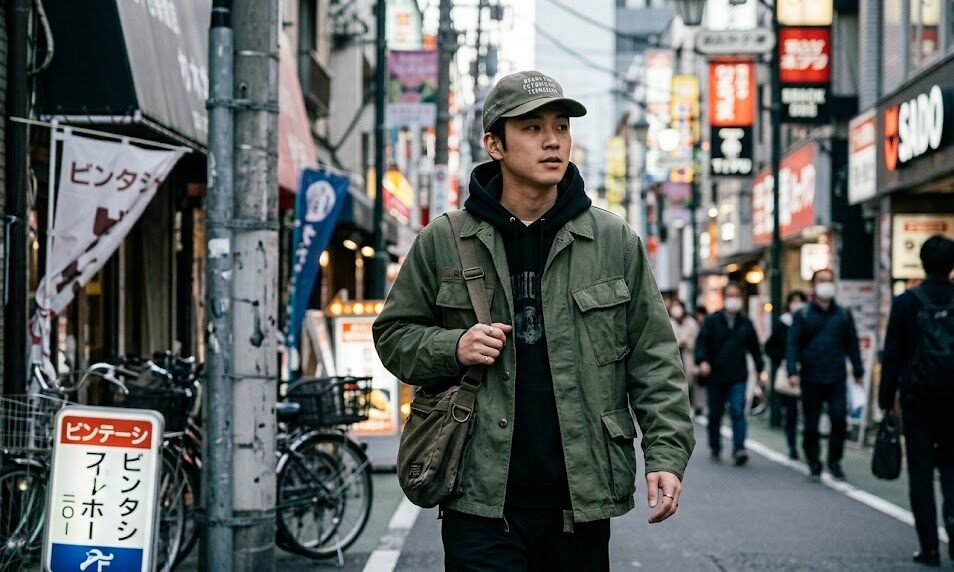
TOKYO, HALOSUMUT – Japanese streetwear has long held a unique position in the global fashion industry, blending meticulous craftsmanship, cultural storytelling, and limited-edition releases that appeal to collectors and fashion enthusiasts alike. Among the most influential names in the scene, Neighborhood, WTAPS, and Human Made continue to lead the conversation in 2026.
While fashion trends often come and go, these three brands have maintained their relevance through strong brand identities, consistent quality, and an ability to evolve without abandoning their roots. Their influence extends far beyond Japan, inspiring designers, celebrities, and streetwear communities across North America, Europe, and Southeast Asia.
Founded by Shinsuke Takizawa in 1994, Neighborhood built its reputation by combining motorcycle culture, military aesthetics, and high-quality construction.
The brand’s collections frequently feature rugged outerwear, graphic tees, denim, and workwear-inspired pieces that reflect Tokyo’s underground culture. Over the years, Neighborhood has collaborated with major brands including Adidas Originals, Vans, and BAPE®, helping expand its international reach.
What separates Neighborhood from many competitors is its commitment to authenticity. Rather than chasing fast-moving trends, the label focuses on timeless silhouettes and craftsmanship, a strategy that continues to resonate with consumers seeking long-lasting wardrobe staples.
WTAPS: Military Precision with Contemporary Appeal
Founded by Tetsu Nishiyama, WTAPS has become synonymous with military-inspired fashion and understated luxury.
The brand takes its name from a military term referring to coordinated attacks, a concept reflected in its structured designs and tactical details. WTAPS has built a loyal following through carefully executed collections that emphasize functionality, durability, and clean aesthetics.
Unlike many streetwear labels that rely heavily on loud graphics, WTAPS often adopts a minimalist approach. This philosophy has helped the brand attract consumers who appreciate subtle design language while maintaining strong ties to street culture.
In recent years, collaborations with global fashion houses and sportswear giants have further strengthened WTAPS’ status as one of Japan’s most respected fashion exports.
Created by Nigo, the visionary behind A Bathing Ape (BAPE), Human Made represents a different side of Japanese streetwear.
The brand draws inspiration from vintage American workwear, collegiate fashion, and mid-century graphics. Human Made’s playful heart logo and nostalgic designs have become instantly recognizable among fashion enthusiasts worldwide.
Human Made gained even greater international attention through partnerships with global artists, including Pharrell Williams, as well as collaborations with luxury and sportswear brands.
Its ability to blend retro influences with modern production techniques has allowed Human Made to remain relevant in an increasingly competitive market.
Why Japanese Streetwear Continues to Lead Global Trends
Industry analysts point to several factors behind the continued success of Japanese streetwear brands.
First, Japanese labels place extraordinary emphasis on product quality. Many garments utilize premium fabrics, detailed construction methods, and limited production runs that create a sense of exclusivity.
Second, storytelling remains a critical component of Japanese fashion culture. Brands such as Neighborhood, WTAPS, and Human Made build entire collections around specific themes, historical references, or cultural influences, creating deeper connections with consumers.
Third, scarcity continues to drive demand. Limited releases and carefully controlled distribution strategies generate excitement among collectors and help maintain strong resale values.
Collaborations have become a major growth driver for Japanese streetwear brands. Partnerships with global footwear companies, luxury fashion houses, and entertainment figures have introduced these labels to broader audiences.
Celebrities, athletes, and musicians frequently wear pieces from Neighborhood, WTAPS, and Human Made, further reinforcing their cultural relevance. Social media platforms have amplified this visibility, allowing brands to connect directly with consumers worldwide.
Fashion experts note that Japanese streetwear has successfully balanced exclusivity with accessibility, making it appealing to both dedicated collectors and newcomers entering the streetwear scene.
As sustainability, digital commerce, and global fashion trends continue to evolve, Japanese streetwear brands face new challenges and opportunities.
However, Neighborhood, WTAPS, and Human Made appear well-positioned to remain industry leaders. Their commitment to craftsmanship, cultural authenticity, and innovation continues to differentiate them in an increasingly crowded market.
For many fashion enthusiasts, these brands represent more than clothing—they embody a philosophy that values quality, heritage, and individuality. That enduring appeal explains why Japanese streetwear remains one of the most influential forces in global fashion today.
