

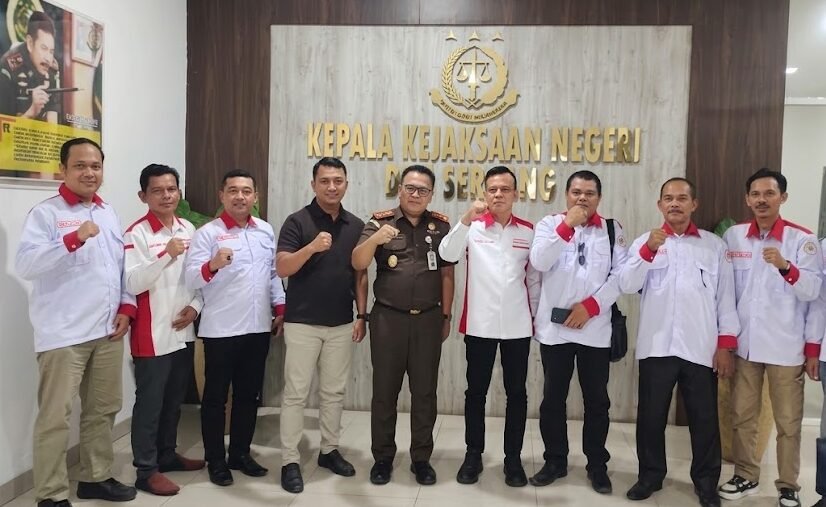
DELI SERDANG, HALOSUMUT.COM – The North Sumatra chapter of the Association of National Village Consultative Bodies (ABPEDNAS) has partnered with the Deli Serdang District Prosecutor’s Office (Kejari Deli Serdang) to encourage the establishment of Restorative Justice Houses in villages across the regency. (24/6/2026)
The initiative aims to strengthen community-based legal solutions by prioritizing dialogue, mediation, and reconciliation in resolving certain disputes before they escalate into prolonged legal conflicts.
According to stakeholders involved in the program, the presence of Restorative Justice Houses is expected to bring legal services closer to the community while fostering a culture of peaceful conflict resolution.
The collaboration reflects a growing effort to integrate restorative justice principles into village-level governance and public services.
Promoting a More Human-Centered Legal Approach
Restorative justice has become an increasingly important component of Indonesia’s legal reform agenda.
Unlike conventional legal approaches that primarily focus on punishment, restorative justice emphasizes repairing harm, restoring relationships, and achieving mutually acceptable solutions between parties involved in a dispute.
The approach seeks to create balanced outcomes by involving victims, offenders, community leaders, and relevant institutions in the resolution process. National efforts to expand restorative justice programs have increasingly focused on local communities and village-level implementation.
ABPEDNAS and Kejari Deli Serdang believe that village-based facilities can serve as effective platforms for mediation and social reconciliation.
Bringing Legal Services Closer to Communities
One of the main objectives of establishing Restorative Justice Houses is to improve access to legal assistance and dispute resolution mechanisms for residents.
Many community conflicts stem from misunderstandings, family disputes, land issues, or minor social disagreements that may be resolved through dialogue and mediation rather than lengthy court proceedings.
Supporters of the initiative argue that providing structured mediation facilities at the village level can help reduce social tensions while preserving community harmony.
The model also aligns with efforts to encourage greater public participation in conflict resolution.
Strengthening Collaboration Between Villages and Law Enforcement
The partnership highlights the importance of cooperation between community organizations and legal institutions.
Recent national initiatives have encouraged closer collaboration between prosecutors and village representatives to support restorative justice implementation. Officials from the Attorney General’s Office have emphasized the role of community organizations such as ABPEDNAS in facilitating mediation and helping create a conducive environment for peaceful settlements.
By involving village leaders and local representatives, authorities hope to ensure that dispute resolution processes are more accessible, transparent, and culturally appropriate.
Supporting Social Harmony and Community Resilience
Advocates of restorative justice argue that legal solutions should not only address violations but also strengthen social relationships.
Through mediation and dialogue, communities can work toward rebuilding trust and preventing recurring conflicts.
In many cases, restorative justice allows parties to reach agreements that address the needs of victims while encouraging accountability and reconciliation.
This approach is increasingly viewed as a practical tool for maintaining social cohesion, particularly in close-knit rural communities.
Additional Insight: Why Restorative Justice Is Expanding Across Indonesia
The growing emphasis on restorative justice reflects broader efforts to modernize Indonesia’s legal system.
Legal experts note that alternative dispute resolution methods can reduce pressure on courts, accelerate case handling, and produce outcomes that better reflect community values.
Recent initiatives by the Attorney General’s Office have expanded restorative justice programs beyond urban centers, bringing them directly into villages and local communities. The goal is to create legal mechanisms that are not only effective but also responsive to social realities.
As awareness increases, more regions are exploring village-based restorative justice models.
Potential Benefits for Villages
If implemented successfully, Restorative Justice Houses could provide several advantages:
- Faster resolution of eligible community disputes
- Reduced legal costs for residents
- Improved communication between conflicting parties
- Stronger community participation in problem-solving
- Greater legal awareness at the village level
- Enhanced social harmony and conflict prevention
Supporters believe these benefits could contribute to stronger and more resilient communities.
Challenges Ahead
Despite the positive outlook, experts caution that successful implementation will require proper training, clear guidelines, and ongoing supervision.
Village officials, mediators, and community representatives must understand the principles and limitations of restorative justice to ensure fairness and legal compliance.
Authorities also stress that not all cases are eligible for restorative justice. Serious criminal offenses remain subject to formal legal processes under applicable laws.
Maintaining transparency and public trust will be essential as the program expands.
Looking Ahead
The collaboration between ABPEDNAS North Sumatra and Kejari Deli Serdang represents a significant step toward strengthening community-based justice mechanisms.
By promoting the establishment of Restorative Justice Houses in villages, stakeholders hope to create more accessible avenues for resolving disputes while preserving social harmony and strengthening local governance.
As Indonesia continues advancing legal reform and community empowerment initiatives, village-based restorative justice programs may become an increasingly important part of the nation’s justice landscape.
For many communities, the initiative offers a vision of dispute resolution that emphasizes dialogue, accountability, and lasting peace.
Key Functions of a Restorative Justice House
| Function | Purpose |
|---|---|
| Mediation Services | Resolve disputes through dialogue |
| Community Consultation | Provide legal awareness and guidance |
| Conflict Prevention | Reduce escalation of social disputes |
| Reconciliation Facilitation | Restore relationships between parties |
| Village Participation | Involve local leaders in solutions |
| Legal Education | Improve public understanding of justice processes |
